Love in Bow Laser Paper Cut SVG: An Embroidery Review
As a professional embroidery designer and product reviewer, I approach every new digital asset with a critical eye. When evaluating the Love in Bow Laser Paper Cut SVG File, my first thought isn't just about how pretty the vector lines look on a screen, but how they will translate into physical thread. This design sits at an interesting intersection of modern laser-cut aesthetics and traditional needlework. While originally categorized under Crafts and Graphics for paper applications, its potential as a machine embroidery design is significant, provided you understand how to adapt those crisp, layered paper lines into stitch data.
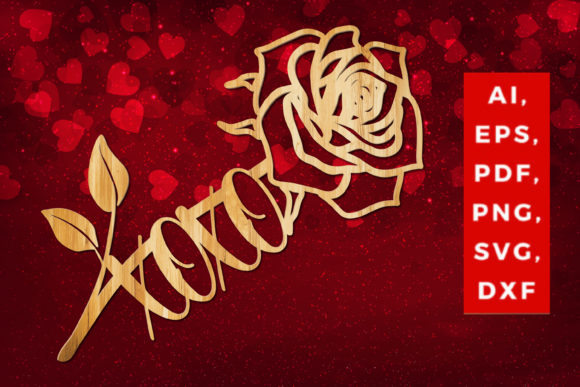
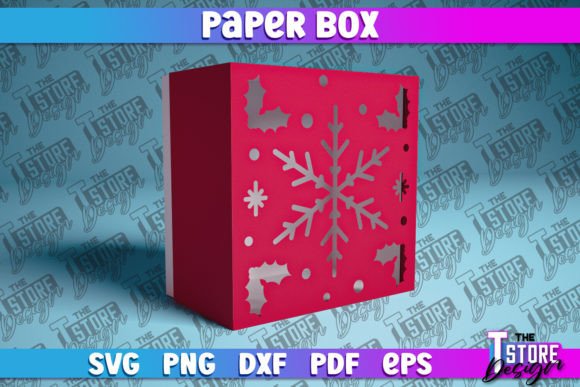
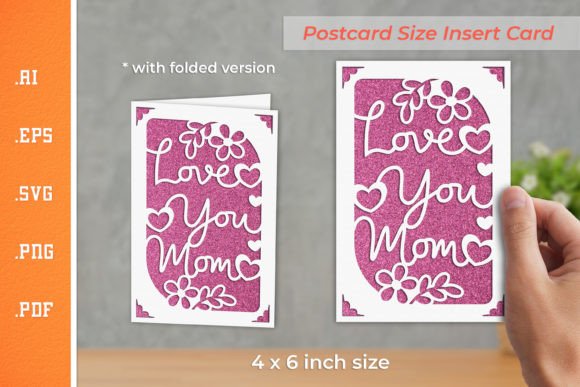
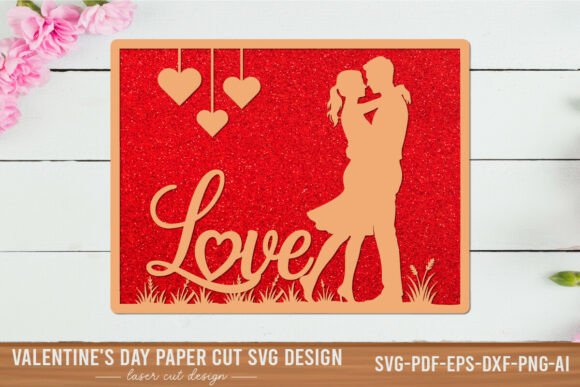
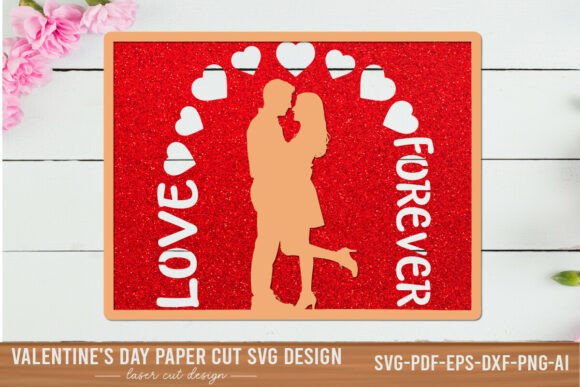
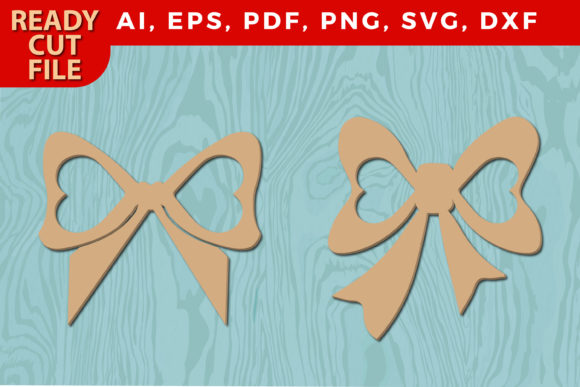
The visual personality of this file is distinct. It carries the intricate, interlocking charm typical of laser paper cuts, featuring romantic motifs centered around bows and typography. However, unlike standard embroidery files that come pre-digitized with stitch types, an SVG requires interpretation. For small business owners and Etsy sellers, this represents both a challenge and an opportunity. The "laser cut" aesthetic implies negative space and delicate bridges, which can create stunning custom apparel or personalized gifts if digitized correctly. But if treated like a standard fill stitch design, you risk losing that signature airy elegance.
Real-World Application: The Custom Sweatshirt Test
To truly evaluate this asset, I mentally placed it in a real-life production scenario: creating a boutique-style crewneck sweatshirt for a Valentine’s Day capsule collection. My goal was to produce a handmade product that felt high-end rather than generic. The Love in Bow Laser Paper Cut SVG File immediately suggested itself as a centerpiece for chest placement or yoke detailing.
In this scenario, the design serves as an excellent applique design foundation. Rather than filling every inch with dense satin stitch or fill stitch, I would use the SVG outlines to guide fabric placement. Imagine using a textured linen or a tone-on-tone velvet for the bow elements, secured with a precise running stitch. This mimics the layered depth of actual paper cutting while keeping the stitch density low enough to prevent the sweatshirt fabric from puckering. Customers react positively to this mixed-media look because it adds tactile value to the finished product. It elevates a simple garment into a piece of wearable art, justifying a higher price point for your craft business.
For holiday embroidery projects, this versatility is key. The same SVG could be scaled down for baby embroidery on a bib or onesie, where low stitch counts are mandatory for comfort. Alternatively, scaling it up creates a striking tote bag design where the negative space allows the canvas color to breathe. As a digital embroidery file source, it offers the flexibility that pre-digitized files often lack, allowing you to tailor the complexity to the specific substrate.
Navigating Fabric Limitations and Hoop Constraints
While the aesthetic is versatile, practical judgment dictates caution. The intricate nature of a "paper cut" style means there are likely thin connecting points and detailed corners. These features behave differently across various materials. On stable fabrics like denim or canvas, the design will hold its shape beautifully. However, on stretchy knits or lightweight jersey, those delicate bridges can distort without proper stabilization.
I strongly advise against using this design on highly textured fabrics like terry cloth or boucle unless you modify the file significantly. The fine details inherent in the Love in Bow Laser Paper Cut SVG File will get lost in the pile, resulting in a muddy appearance that undermines customer trust. Similarly, dark fabrics present a contrast challenge. If the design relies on negative space to define the bow shape, stitching it in white thread on black fabric might make the internal details disappear visually. In such cases, you may need to add a backing fabric or adjust the digitizing to include more defined borders.
Hoop size is another critical factor. Because this is a graphics file adapted for embroidery, you must confirm the dimensions before purchasing or stitching. Intricate designs often require larger hoops to maintain clarity; shrinking them too much to fit a 4x4 hoop can cause stitch overlap and registration issues. Always verify that your machine can handle the final digitized dimensions. For cap embroidery or curved surfaces, the flat geometry of a paper-cut style SVG may need warping or re-digitizing to wrap correctly around the crown without distorting the "love" lettering.
Designer Notes for Professional Results
Transitioning from a vector graphic to a commercial embroidery asset requires a disciplined workflow. Here are my practical recommendations for integrating this file into your shop:
- Test Stitching is Non-Negotiable: Never run this design on a final product without testing on scrap fabric first. Check how the simulated paper layers interact. Do the stitches pull the fabric? Is the running stitch smooth or jagged?
- Analyze Stitch Density: Since this is an SVG, you are responsible for the density. Avoid over-saturating the design. The beauty of a laser cut look lies in its lightness. Use lighter fill stitches or cross-hatching instead of solid tatami fills to preserve the fabric's drape.
- Thread Color Contrast: Test the design in both monochrome and multi-color setups. Sometimes, using a single thread color enhances the paper-cut illusion better than multiple colors, which can make it look like a standard cartoon embroidery.
- Stabilizer Selection: Match your stabilizer to the fabric weight. For the sweatshirt scenario mentioned earlier, a medium-weight cutaway is essential to support the detailed bow curves during washing and wear.
- Mockup Verification: Before listing any finished product, create printable mockups using the original SVG to visualize placement. Compare these against your actual stitched samples to ensure the translation from screen to stitch maintains the intended mood.
- Licensing Clarity: Confirm whether your purchase includes commercial rights for selling finished embroidered items versus selling the digital file itself. This distinction is vital for Etsy sellers and small shop owners to avoid intellectual property issues.
Elevating Brand Value Through Intentional Design
Ultimately, the Love in Bow Laser Paper Cut SVG File is more than just a seasonal graphic; it is a test of your digitizing and finishing skills. When executed well, it signals to buyers that your brand understands texture, scale, and material limitations. It moves beyond basic stock embroidery into the realm of thoughtful design assets.
For creative entrepreneurs, this file offers a pathway to differentiate your inventory. In a market saturated with standard puff letters and dense patches, a design that emulates the delicacy of laser-cut paper stands out. It works exceptionally well for wedding gifts, nursery decor, and boutique branding where softness and intricacy are valued over boldness.
However, remember that the file is merely the blueprint. Your expertise in selecting the right stabilizer, adjusting thread tension, and choosing appropriate fabric textures determines the success of the embroidery project. By treating this SVG as a starting point for creative adaptation rather than a rigid template, you transform a simple download into a signature element of your handmade business. Whether you are crafting a personalized gift or expanding your commercial embroidery catalog, let practical judgment guide your needle, ensuring every stitch honors the delicate intent of the original design.